
Key Takeaways:
- Dissolution requires mutual agreement, divorce does not — dissolution only works if both spouses agree to end the marriage and agree on all terms upfront, while divorce can be filed by one party alone.
- Dissolution is generally faster and cheaper — with minimal court involvement and no adversarial back-and-forth, dissolution can wrap up in weeks to a few months, compared to the potentially years-long timeline of a contested divorce.
- Contested divorce is the most expensive and stressful route — when spouses cannot agree, legal fees, court appearances, and drawn-out negotiations can cost tens of thousands of dollars and take a serious emotional toll on both parties.
- Mediation can make either process smoother — working with a neutral third party before filing can help couples reach agreements faster, reduce conflict, and keep costs down regardless of which legal path they ultimately choose.
- Legal separation is a third option but does not end the marriage — it is worth considering for specific financial, religious, or personal reasons, but you would still need a formal dissolution or divorce if you ever want to remarry.
- Safety concerns change everything — in situations involving domestic violence, financial abuse, or significant power imbalances, divorce with full legal representation is the appropriate and necessary route, not dissolution.
- Knowing your situation is the first step — the right choice between dissolution and divorce comes down to how cooperative the separation is, how complex your finances and family situation are, and how quickly you need to move forward.
When a marriage comes to an end, most people assume there is only one path forward — divorce. But depending on where you live and the circumstances of your situation, you might actually have another option on the table: dissolution of marriage. These two legal processes are often confused or used interchangeably, but they are not the same thing, and the differences between them can have a real impact on how long, how expensive, and how emotionally draining your experience will be.
So if you are in the early stages of figuring out how to end your marriage, this guide is for you. We are going to break down what each process involves, how they compare, and which one might be the better fit for your situation. No legal jargon overload, no scare tactics — just a clear, practical look at your options.
What Is a Divorce, Exactly?
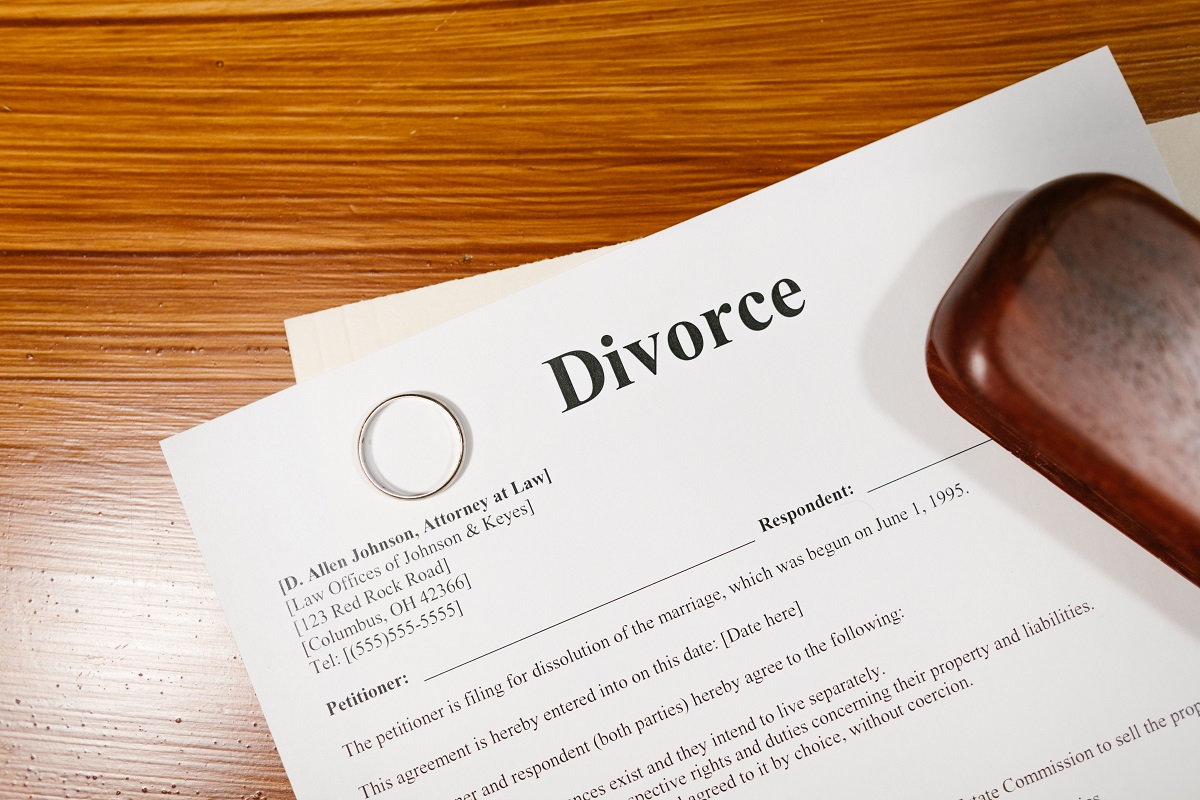
Most people have a general idea of what divorce is, but the legal reality is a bit more layered than what you see in movies. A divorce is a court-supervised legal process that formally ends a marriage. It can be filed by one spouse without t
he other’s agreement, which is what makes it different from other options.
In a divorce, a judge has the authority to make decisions on your behalf if you and your spouse cannot agree. That includes decisions about:
- Division of property and debts
- Child custody and visitation schedules
- Child support and spousal support (alimony)
- Who keeps the family home or shared assets
Divorce can be either contested or uncontested. An uncontested divorce means both spouses agree on all the major issues. A contested divorce is when they do not, and that is where things tend to get expensive, slow, and emotionally draining. Contested divorces can drag on for months or even years, especially when children or significant assets are involved.
Every state in the U.S. (and most countries) recognizes divorce, which makes it a universally available option regardless of how complicated your situation is.
What Is a Dissolution of Marriage?
Dissolution is a more streamlined, cooperative legal process for ending a marriage. Think of it as the “we both agree on everything” version of ending a marriage. In a dissolution, both spouses work together to draft and submit a settlement agreement that covers all the major issues — property, debts, custody, support — and then present it to the court for approval.
Because both parties are on the same page from the start, there is usually no courtroom battle, no drawn-out discovery process, and far less back-and-forth between attorneys. In many cases, dissolution is significantly faster and cheaper than a traditional divorce.
Here is what is typically required for a dissolution to work:
- Both spouses must agree to end the marriage
- Both must agree on all terms, including property division and, if applicable, child custody and support
- Both must sign the settlement agreement voluntarily
- The agreement must meet the legal requirements of your state or jurisdiction
It is worth noting that not every state uses the term “dissolution” the same way. In some states, dissolution and divorce are essentially synonymous. In others, like Ohio, dissolution is a distinct process with its own set of rules. Always check the laws in your specific state.
How Do the Two Processes Actually Compare?
Let’s put dissolution and divorce side by side so you can see where the key differences really show up.
Speed: Which One Gets You to the Finish Line Faster?
This is probably the biggest practical difference for most people. A dissolution, because it requires full agreement upfront, tends to move much faster through the court system. In many jurisdictions, once you file the paperwork, a hearing can be scheduled within 30 to 90 days.
Divorce timelines vary wildly. An uncontested divorce might wrap up in a few months, but a contested divorce can take anywhere from one to three years, especially if the case goes to trial. Even when both parties eventually agree, the back-and-forth negotiation through attorneys adds time and cost.
If speed matters to you — and for most people going through the emotional stress of a separation, it does — dissolution has a clear advantage.
Cost: Which One Is Easier on Your Wallet?
Legal fees are one of the most stressful parts of ending a marriage. Here is a rough breakdown:
- Dissolution: Because both parties cooperate and court involvement is minimal, attorney fees and court costs are typically much lower. Some couples even complete a dissolution with a single shared attorney or through a mediation process.
- Uncontested Divorce: Similar to dissolution in cost when both parties agree, but the process may still involve more paperwork and court appearances.
- Contested Divorce: This is where costs skyrocket. With attorney fees, court filing fees, expert witnesses, and the potential for multiple hearings, contested divorces can cost tens of thousands of dollars.
If you and your spouse can reach an agreement on your own or with the help of a mediator, dissolution is almost always the more affordable route.
Stress Level: Which One Is Easier to Get Through Emotionally?
Ending a marriage is hard no matter what. But the process you choose can either soften the experience or make it significantly harder.
Dissolution tends to be less adversarial by nature. Because both spouses have to agree on everything before even filing, the process encourages communication and cooperation rather than conflict. This can be especially important when children are involved, since co-parenting will require an ongoing relationship after the legal process ends.
Divorce, particularly a contested one, can feel like a battle. Each side is represented by an attorney whose job is to advocate for their client’s interests, which can sometimes escalate tension rather than reduce it. The courtroom setting, depositions, and drawn-out negotiations can leave both parties feeling drained and bitter long after the case is closed.
When Dissolution Makes Sense
Dissolution is not the right fit for every situation, but when the circumstances align, it can be a genuinely great option. It tends to work well when:
- The marriage has been relatively short
- There are no children involved, or both parents have already agreed on custody arrangements
- Both spouses have similar financial situations with no major disputes over assets or debts
- Both parties genuinely want to move on without conflict
- There is a high level of mutual trust and communication
When two people are committed to solving common legal problems together rather than fighting through them in court, dissolution gives them the tools to do that efficiently and with far less emotional cost.
When Divorce Is the Right Call

As much as dissolution sounds appealing, it is simply not realistic in some situations. Divorce may be the necessary path when:
- One spouse refuses to agree to the separation at all
- There is a significant power imbalance between spouses, such as in cases involving financial abuse or domestic violence
- One or both parties cannot agree on key issues like child custody or asset division
- There are complex financial situations, such as business ownership, large investments, or disputes over hidden assets
- One spouse has disappeared or is unreachable
In these cases, having a judge step in to make decisions is not just helpful — it is necessary to protect your rights and ensure a fair outcome. This is also where it becomes critical to choose the best lawyer for your case, since the quality of your legal representation can have a major impact on the final outcome.
What About Legal Separation? Is That a Third Option?
Some people also consider legal separation as an alternative, so it is worth briefly addressing. Legal separation allows couples to live apart and legally divide their finances and parenting responsibilities without officially ending the marriage.
Reasons someone might choose separation over dissolution or divorce include:
- Religious or personal beliefs against divorce
- Wanting to remain on a spouse’s health insurance plan
- Hoping for a possible reconciliation
- Tax or financial benefits that come from remaining legally married
Legal separation is a valid option in some situations, but it does not technically end the marriage. If you later decide you want to remarry, you would still need to go through a formal divorce or dissolution process.
The Role of Mediation in Making Either Process Smoother
Whether you ultimately pursue dissolution or divorce, mediation can be a powerful tool for reducing conflict and reaching fair agreements faster. A mediator is a neutral third party who helps both spouses negotiate and find common ground.
Mediation works particularly well when:
- There are disputes to work through but both parties are willing to negotiate in good faith
- You want to avoid a full courtroom battle
- You are trying to keep costs down
- You want more control over the outcome rather than leaving decisions to a judge
Many couples find that working through a mediator first makes the legal filing process much smoother, whether they end up choosing dissolution or uncontested divorce.
Do You Still Need a Lawyer for a Dissolution?
This is a common question, and the honest answer is: it depends. Technically, some couples complete a dissolution without hiring individual attorneys, especially when their situation is straightforward. However, that does not mean legal guidance is not worth considering.
Even in an amicable dissolution, having an attorney review the final agreement before you sign can protect you from overlooking something important. Things like retirement accounts, tax implications of asset division, or future modifications to custody arrangements are easy to miss without professional guidance.
If you do decide to hire an attorney — even just for a consultation — look for someone who specializes in family law and has experience with dissolution proceedings in your state. The level of complexity in your situation should guide how involved your attorney needs to be.
How to Decide Which Option Is Right for You
Here is a simple way to think through the decision:
Start with this question: Do both of us agree that the marriage should end?
- If no — you likely need to pursue divorce.
- If yes — move on to the next question.
Can we agree on all the major terms — property, debt, custody, support?
- If no — consider mediation first, then divorce if needed.
- If yes — dissolution is likely your best and most efficient path.
Are there any safety concerns, such as domestic violence or financial abuse?
- If yes — prioritize your safety and consult an attorney immediately. Divorce with full legal representation is the appropriate route.
- If no — proceed with whichever process fits your mutual agreement level.
Taking the time to honestly assess where you and your spouse stand will save you a significant amount of time, money, and stress in the long run.
A Quick Summary of the Key Differences
| Factor | Dissolution | Divorce |
|---|---|---|
| Agreement required | Yes, both spouses must agree | No, one party can file |
| Speed | Generally faster | Can take months to years |
| Cost | Usually lower | Can be very expensive if contested |
| Court involvement | Minimal | Can be extensive |
| Stress level | Generally lower | Higher, especially if contested |
| Flexibility | Less flexible (requires full agreement) | More flexible, judge can decide |
Final Thoughts
At the end of the day, both dissolution and divorce serve the same ultimate purpose: legally ending a marriage and helping two people move forward with their lives. The right choice depends entirely on your individual circumstances — how cooperative the separation is, how complex your finances and family situation are, and how quickly you need resolution.
If you and your spouse are on the same page and genuinely committed to working through things together, dissolution can be a faster, cheaper, and far less stressful way to close this chapter. But if there is conflict, complexity, or safety concerns in the picture, divorce provides the legal structure and judicial oversight needed to protect everyone involved.
Whatever path you take, going in informed makes a real difference. Take the time to understand your options, consult a qualified family law attorney if needed, and choose the process that actually fits your reality — not just the one that sounds simplest on the surface.
About the Author