Foster care abuse is a subject that brings with it a myriad of emotional and ethical complexities. At the heart of this issue is the crucial need to understand the various facets of the foster care system and how it affects the lives of vulnerable children. The importance of addressing and mitigating foster care abuse cannot be understated, as it directly impacts the future of countless young lives.
1. What is Foster Care Abuse?
1.1 Definition and Types of Abuse
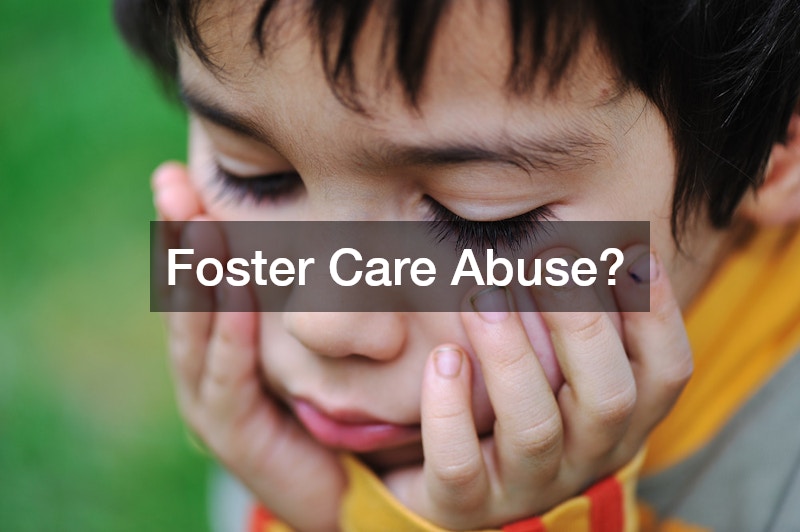
Foster care abuse refers to any form of mistreatment that occurs within the foster system, impacting the safety and well-being of children placed in it. This abuse can manifest in various forms, including physical, emotional, sexual, and neglect.
Understanding these types is essential in fostering a system that prioritizes child protection.
1.2 Statistics on Foster Care Abuse
Research indicates that an estimated 10% of children in the foster care system endure some form of abuse during their placement, underscoring the need for reform. These statistics highlight the systemic challenges that persist within the foster care system, calling for immediate action from policymakers and society alike. Awareness of these statistics is vital in driving policy changes and reforms aimed at better safeguarding children.
1.3 Historical Context and Changes Over Time
The foster care system has undergone significant changes since its inception, intended to improve safety and outcomes for children. Historically, there have been shifts in policies and attitudes about child welfare and protection. Despite these efforts, historical trends indicate that changes need to be continuous and consistent to effectively combat foster care abuse.
1.4 Differences Between Foster Care and Biological Family Abuse
While abuse can occur in any family structure, foster care abuse often involves systemic failures not present in biological family settings. The temporary nature of foster placements can lead to fragmented care, which increases the risk of abuse. Furthermore, the oversight necessary to prevent abuse in foster care can be insufficient when compared to biological family situations.
1.5 Recognizing Signs and Symptoms of Abuse
Recognizing the signs of foster care abuse is crucial for timely intervention and prevention. Indicators of abuse can range from physical injury to changes in behavior, which may be subtle yet telling. Both professionals and laypeople must be equipped to recognize these signs to protect children effectively.
2. How Does the System Fail to Protect Children?
2.1 Insufficient Monitoring and Oversight
The foster care system often falls short due to inadequate monitoring and oversight, leaving children vulnerable to abuse. Systems for checks and balances are sometimes inadequate or underfunded. A robust framework for oversight is essential to protect foster children from abuse and neglect actively.
2.2 Inadequate Training for Foster Parents
Foster parents play a pivotal role in the safety and well-being of their charges, yet training can be deficient. Inadequate preparation means foster parents might lack essential skills for handling complex childhood traumas. Enhanced training programs for foster parents could dramatically alter outcomes for children in their care.
2.3 Lack of Resources and Funding
Funding and resources in foster care systems often fall short of what is necessary to provide adequate care and oversight. Programs designed to support foster children and foster parents may suffer from budget cuts or lack of investment. Ensuring proper funding is crucial for improving the quality of care and preventing abuse.
2.4 Systemic Issues and Bureaucratic Challenges
Bureaucratic inefficiencies within the foster care system can significantly hinder child protection efforts. These challenges may lead to delays in response and action when signs of abuse are detected. Streamlining these processes could lead to more timely and effective interventions.
3. What Legal Actions Can Be Taken?
3.1 Reporting and Investigation Procedures
Clear procedures for reporting and investigating foster care abuse are necessary to uphold child protection laws. However, many cases go unreported due to fear of retaliation or lack of knowledge on reporting mechanisms. Implementing comprehensive strategies for investigation can ensure thorough child protection. Foster care personal injury law firms can help you with your case.
3.2 Legal Rights of Foster Children
Foster children have specific legal rights designed to protect their well-being and safety within the system. These rights include access to education, healthcare, and protection from abuse. Ensuring that these rights are known and enforced is crucial in safeguarding foster children.
3.3 Role of Advocates and Legal Counsel
Advocates and legal counsel play an essential role in representing the interests of foster children in abuse cases. Their involvement can help navigate the complex landscape of legal and welfare systems. Strengthening their presence can lead to better outcomes for victims seeking justice.
3.4 Laws and Policies for Foster Care Protection
Various laws and policies exist to protect foster children from abuse, including mandatory reporting laws. These legal frameworks are meant to enforce accountability and safeguard children. Keeping these laws up-to-date and applicable is essential in battling foster care abuse effectively.
About the Author